Monday - Moon - Purple/Violet

Bread & Order

Open this on Monday morning and follow the day from breakfast through bedtime. Everything is here: the food, the story, the poem, the songs, the little lesson, the outside moment, and the recipes.

Watercolor bread, candle, cloth, flowers, and hands kneading dough
Spiritual Waldorf watercolor for Monday Moon day with violet moonlight, water bowl, shell, candle, and gnome
Moon

First thing: set Monday

Moon Day - Violet/Purple

Meaning: reflection, dreams, receptivity, inner life, water, softness, and quiet beginnings.

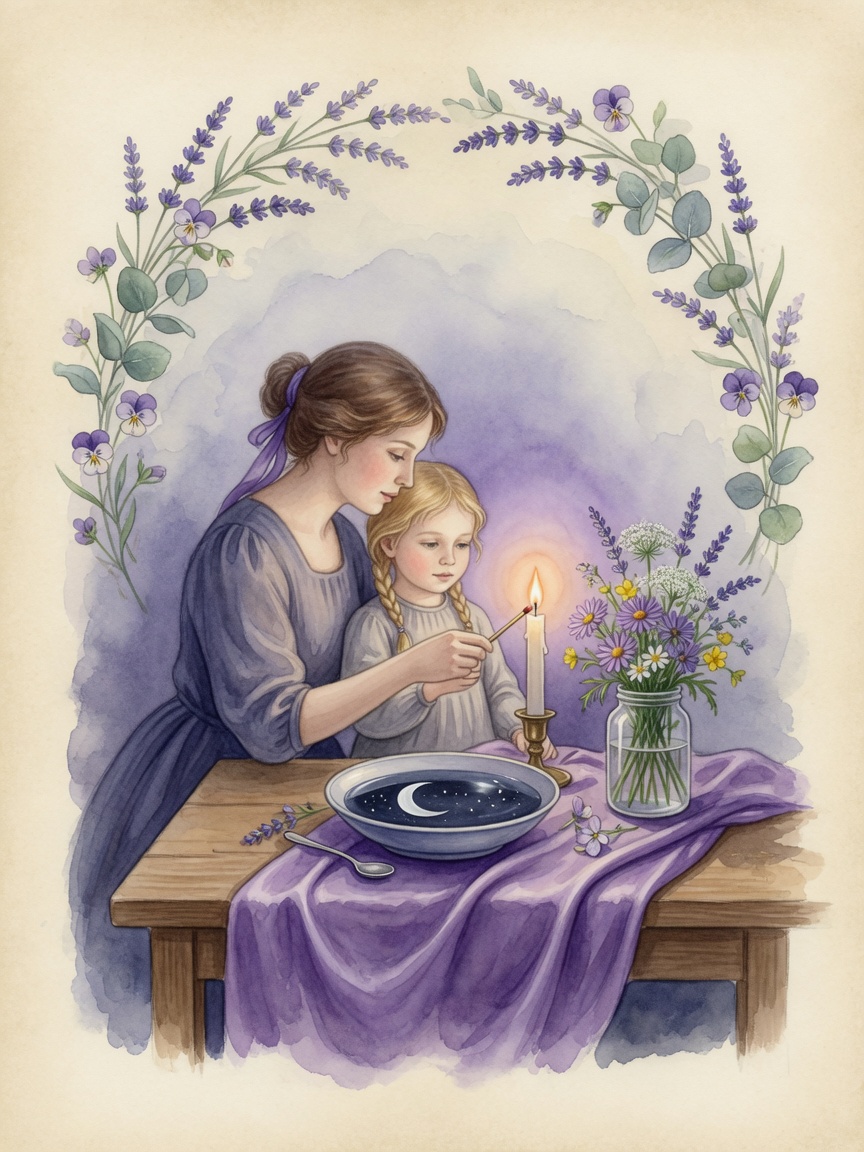
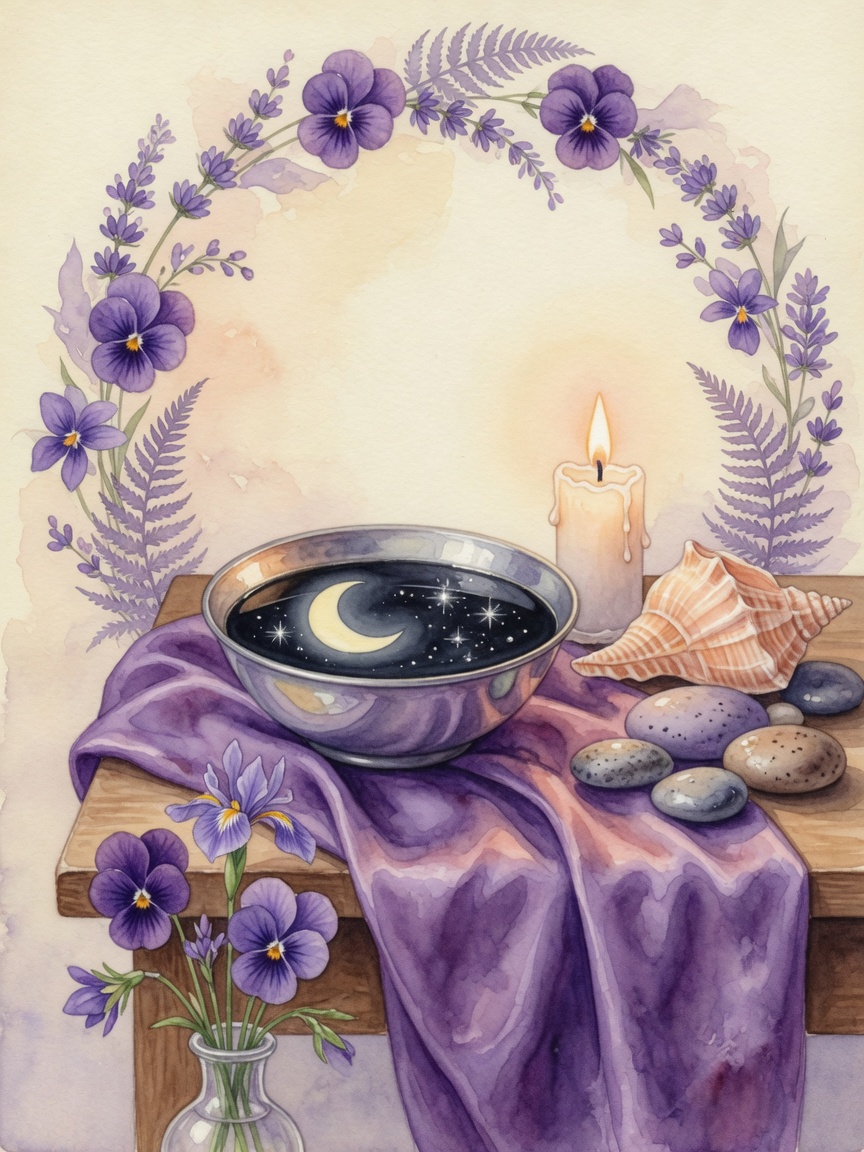
Set the moon and gnome: place the purple moon/Nin as today. Let the purple gnome carry a small bowl, shell, silver ribbon, or smooth stone.

Morning line: Today is Monday. Monday belongs to the Moon. Its color is purple. Today we practice reflection.

Child task: help make the home feel ready: fold cloths, stir oatmeal, knead bread, or put one thing back where it belongs.

Purple hush and silver spoon,
Monday walks beneath the moon.
Soft hands fold and warm bread grows,
Quiet is the way home knows.

At a glance

Monday on one page.

The buttons open each part of the day. The story and songs open directly from the language shelf.

Waldorf layer: Moon day is purple/violet: dreamy, quiet, and inward. Use poetry, memory verse, gentle fairy tale, watercolor, baking, laundry, and the nature table. Morning line: Today is Monday. Its color is purple. Its feeling is quiet. Today we practice reflection.

Monday nature lesson

How the Moon moves the water.

Use this after the Monday moon setup. Keep the language simple: the Moon does not push water with hands; its gravity pulls on the Earth and the seas, and the ocean answers by rising and falling in tides.

Tell

The moon calls the water.

The Moon is far away, but it still has a pull. That pull is called gravity. The Moon pulls gently on the ocean, and the ocean rises toward it. When the water rises, we call it high tide. When it goes back, we call it low tide.
Show

Make a tide bowl.

Fill a shallow bowl with water. Put one small shell or stone at the edge as the shore. Slowly tip the bowl so the water comes toward the shore, then away again. Say: high tide, low tide. Let each child try.

Move

Be the sea.

One child holds the Moon gnome. The others are waves. When the Moon gnome comes close, the waves rise on tiptoe. When the Moon gnome moves away, the waves sink low and quiet.

Observe

Find water in the day.

Look for water in a cup, sink, bath, rain, snow, clouds, puddles, or tears. Monday belongs to the Moon, so Monday is a good day to notice water and speak gently.

Moon above and water below,
Pull and answer, ebb and flow.
High tide comes and low tide leaves,
The sea keeps time with silver sleeves.

Monday lesson verse: Moon and Water

How to use this day

Read down the page and do the next thing.

The day is meant to carry you. Begin with the room, then move through food, circle, story, table work, making, outside, dinner, and bedtime.

Morning

Prepare the feeling first.

Set out the color, candle, peg doll or fairy, and one beautiful object before asking for school attention.

Lesson

Use the story as the center.

Say the verse, sing the song, read the story, then let reading, copywork, math, and drawing come from that same world.

Hands

Give them something real to do.

Cooking, sweeping, kneading, folding, carrying, drawing, painting, or handwork turns the lesson into memory.

Close

End with repair and rest.

Dinner, candle, one remembered sentence, bath, story, bed. If the day breaks, return here and do only the next gentle step.

Monday bread watercolor

Follow along

Morning to Bedtime

Flour on fingers, sun at the sill,
Bread in the bowl while the morning is still.
Golden crust and candle glow,
Warmth is something children know.

Monday poem: Bread Morning
  1. Set the room: place a purple cloth, the Monday peg doll or fairy, a candle, flour, and a bowl on the table.
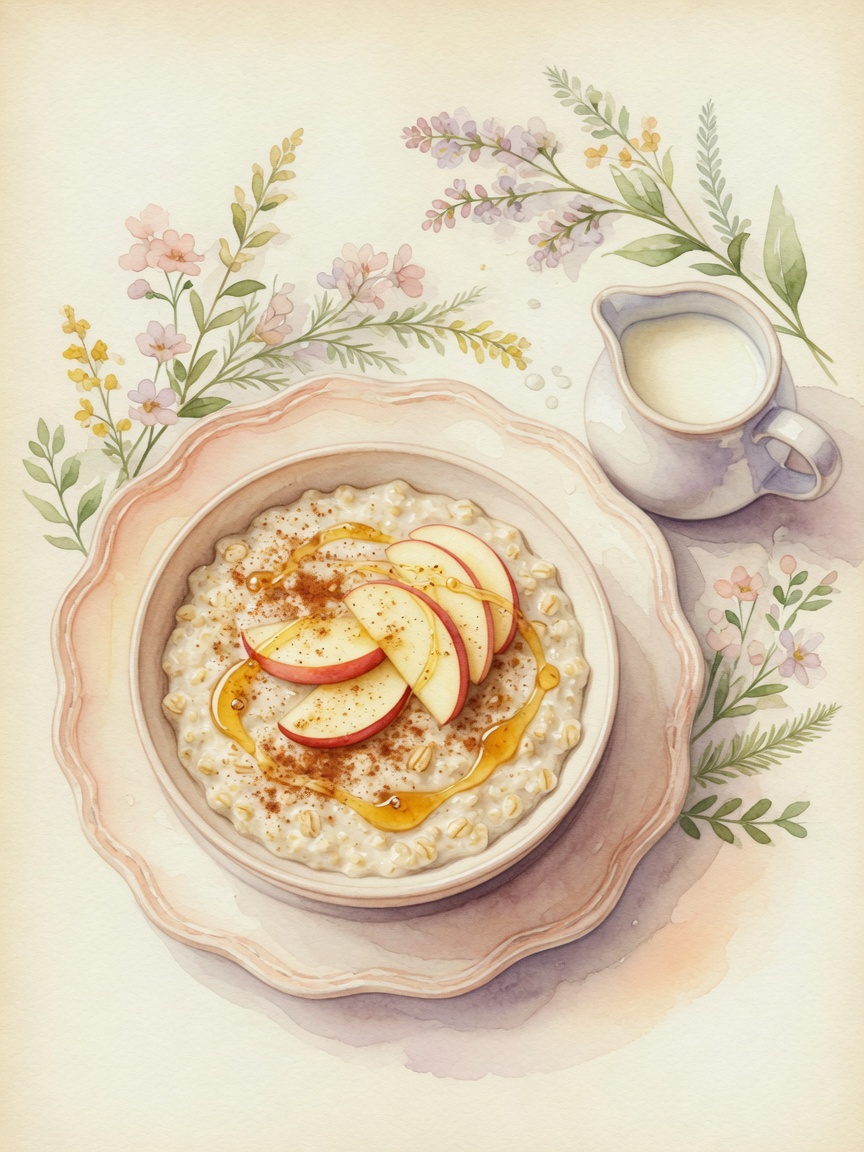
  2. Breakfast: serve warm oatmeal with apples and cinnamon. Read the poem once while they eat or right after.
  3. Circle: say Pat-a-cake, sing Here We Go Round the Mulberry Bush, and clap-count to 20.
  4. Story: read The Little Red Hen. Ask: “What did the little red hen make?”
  5. Table moment: say the B words together: bread, butter, bowl, bake. Older children can copy one word or the sentence. Little ones can draw the bread basket.
  6. Math: count cups of flour, halve or double the bread recipe, sort spoons by size.
  7. Copywork: Warm bread waits on the table.
  8. Littles (3–6): knead, pour, and sing — no letters needed; the bread is the lesson.
    Olders (7+): copy the sentence in best hand, double the recipe on paper, and narrate the story back.
  9. Making: knead dough, shape rolls, set a cloth napkin, draw the bread basket, or open the wooden peg doll handwork lesson.
  10. Lunch: bread, cheese, carrots, apples, and broth. Keep it simple and pretty.
  11. Outside: collect one leaf, one stone, one twig for the nature shelf, then free play.
  12. Dinner: bean soup, bread, butter, and a candle. Retell one sentence from the story.
  13. Evening: candle story, bath, early bed.

Monday recipes

Everything needed for the table.

These are written to follow while children help in tiny ways without making the whole day about tasks.

Watercolor illustration

Warm Apple Oatmeal

Use: Breakfast

Ingredients

  • 1 cup rolled oats
  • 2 cups milk, water, or half milk and half water
  • 1 apple, thinly sliced or diced
  • 1 tablespoon butter
  • 1 tablespoon honey or maple syrup
  • 1/2 teaspoon cinnamon
  • Pinch of salt
  • Extra milk for serving

Method

  1. Bring milk or water to a gentle simmer with the pinch of salt.
  2. Stir in oats and cook 5-7 minutes, stirring often.
  3. Add apple, cinnamon, butter, and honey. Cook 1-2 minutes more.
  4. Spoon into bowls and pour a little milk around the edge.

Child moment: sprinkle cinnamon, place apple slices, or stir before the pot is hot.

Watercolor illustration

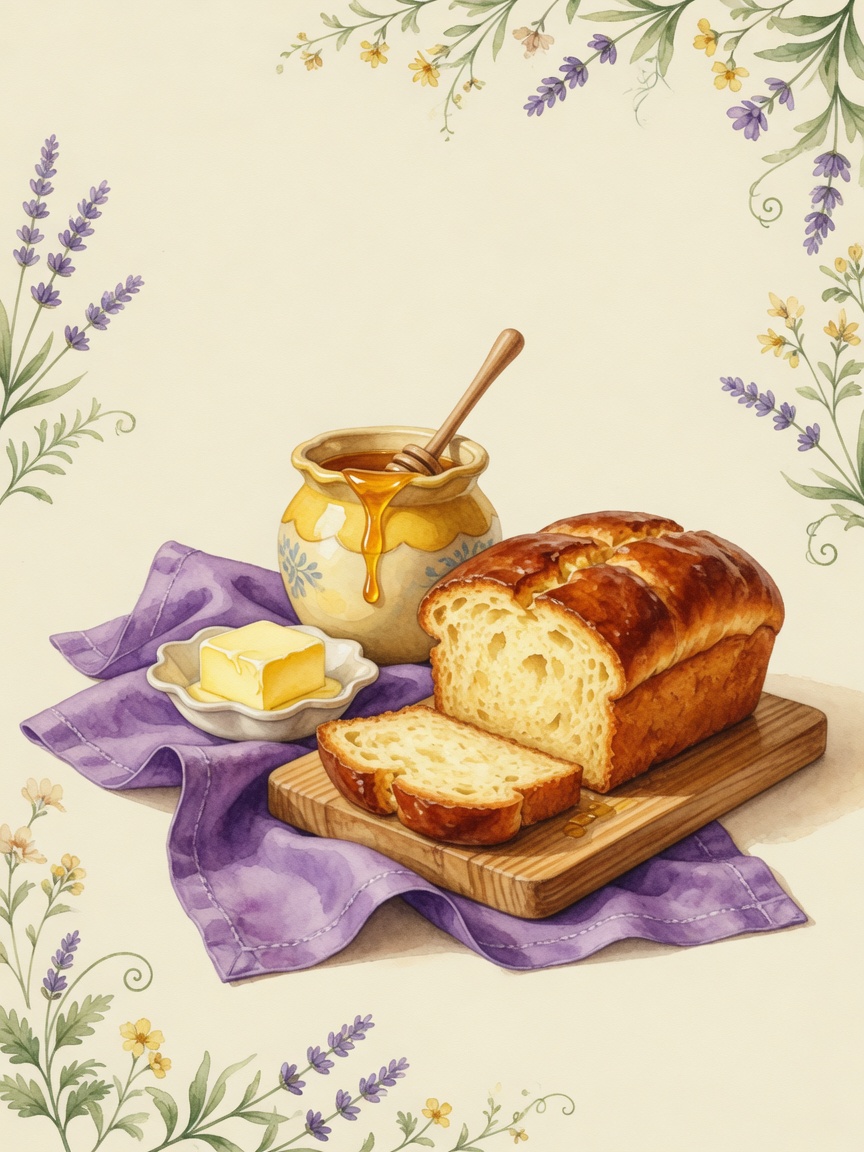
Honey Table Bread

Use: Lunch and dinner

Ingredients

  • 3 cups all-purpose or bread flour
  • 1 cup warm water
  • 2 1/4 teaspoons active dry yeast
  • 2 tablespoons honey
  • 2 tablespoons softened butter
  • 1 teaspoon salt
  • Extra butter for brushing

Method

  1. Stir warm water, yeast, and honey together. Rest 5 minutes, until foamy.
  2. Add flour, butter, and salt. Knead 6-8 minutes until smooth.
  3. Cover and rise 60-90 minutes, until doubled.
  4. Shape into one loaf or 8 rolls. Rise 25-35 minutes.
  5. Bake at 375 F for 20-25 minutes for rolls or 30-35 minutes for a loaf.
  6. Brush with butter and cool before slicing.

Child moment: pour flour, brush butter, shape one small roll, or carry the bread cloth.

Watercolor illustration

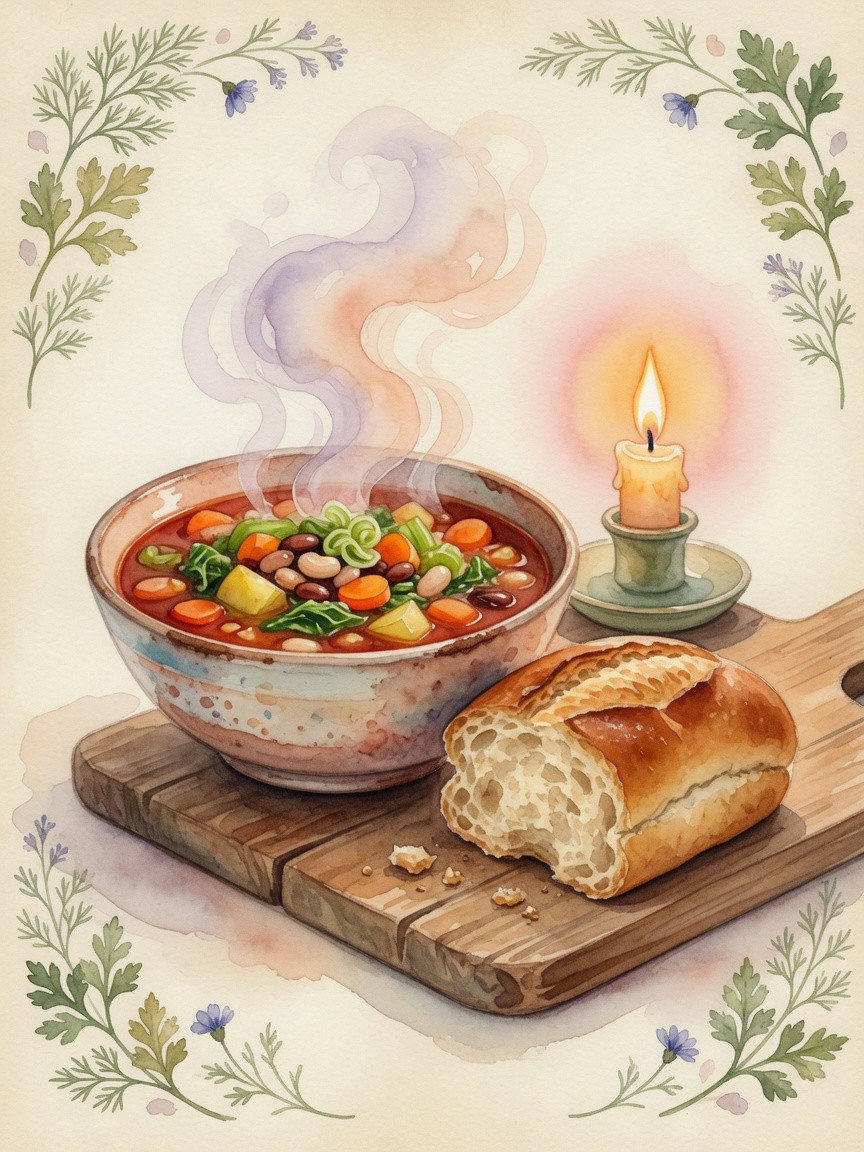
Bean & Vegetable Soup

Use: Dinner

Ingredients

  • 2 tablespoons olive oil or butter
  • 1 small onion, diced
  • 2 carrots, sliced
  • 2 celery stalks, sliced
  • 2 garlic cloves, minced
  • 4 cups broth
  • 2 cups cooked white beans or pinto beans
  • 1 bay leaf or 1 teaspoon dried herbs
  • Salt and pepper
  • Fresh bread and butter for serving

Method

  1. Warm oil or butter in a soup pot. Add onion, carrots, celery, and a pinch of salt.
  2. Cook 6-8 minutes, until the vegetables begin to soften.
  3. Add garlic, broth, beans, and bay leaf or herbs.
  4. Simmer 20-30 minutes. Mash a few beans against the side of the pot to thicken.
  5. Season to taste and serve with honey table bread.

Child moment: count carrots, tear herbs, place spoons, or choose the candle.

Monday Table

Use: Supper atmosphere

Bread on a board, butter in a small dish, soup bowls, napkins, one candle, and the Monday nature finds nearby.

Read aloud: the poem again, or one short paragraph from the story.

Table Moment

Use: The short learning piece

This is not a formal school block. Say the B words together: bread, butter, bowl, bake. Little ones can hear the sound and draw. Older children can copy one word or the sentence: “Warm bread waits on the table.”

Keep it: 10-20 minutes. Academics tucked inside the living day.